The Intersection of Biology & Computation
A deeply educational platform exploring the human brain, biological neural computing, and real-world advancements from Cortical Labs.
Explore the Hub
Move from biological foundations to emerging neurotechnology with route-specific guides, visuals, and citations.
Foundations Worth Understanding Before Going Deeper
NeuroHub is organized to help someone build a coherent mental model instead of memorizing isolated facts. These themes appear across nearly every route in the app.
Structure and Function
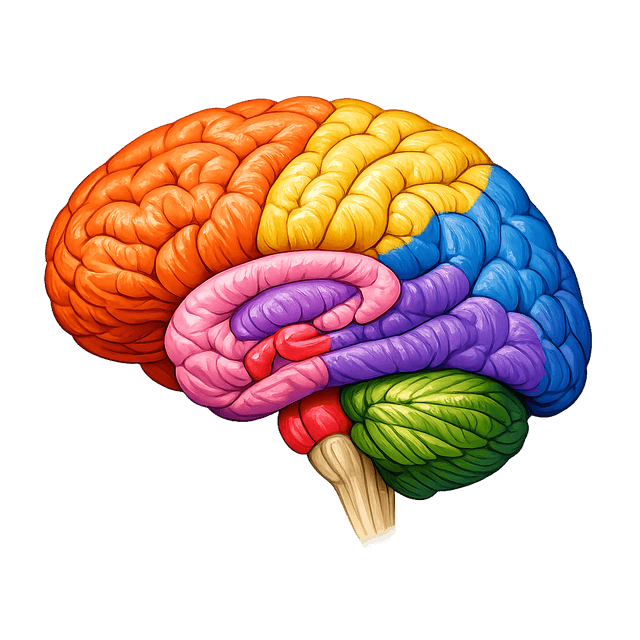
A useful starting point in neuroscience is the idea that brain structure supports brain function. The folded cortex, deeper nuclei, white matter tracts, and spinal pathways are not isolated parts. They are connected layers of a system that processes sensation, coordinates movement, stores memory, and regulates internal body state.
Signals and Circuits
Neurons communicate using electrical and chemical signals, but understanding the brain requires moving beyond single cells. Circuits, loops, and large-scale networks explain how the brain integrates input, compares predictions to incoming information, and produces behavior in real time.
Biology and Technology
Modern neurotechnology draws on both neuroscience and engineering. Brain-computer interfaces, neural recording systems, and biological computing platforms all depend on translating messy biological signals into interpretable patterns while preserving scientific and ethical rigor.
Biological Computing with Living Neurons
Traditional silicon computing is powerful, reliable, and scalable, but it often requires immense energy and large datasets to achieve flexible performance. By contrast, biological neural tissue is adaptive, self-organizing, and exceptionally energy efficient.
Cortical Labs helped bring this conversation into the mainstream through DishBrain, a closed-loop system in which cultured neurons received stimulation from a simple game environment and adjusted their activity over time. Whether one sees this mainly as a neuroscience tool, an experimental computing platform, or the start of a new field, it highlights how living neural systems process information differently from standard machine learning pipelines.
Read the full analysis →
"A new class of hybrid computing, bridging wetware and hardware."
— Cortical Labs Research Overview
How To Use NeuroHub As A Study Guide
The app is designed so a learner can move from core biology to applied systems. If you are new to the subject, focus first on basic organization and communication. If you already know the fundamentals, jump into the BCI, atlas, and research routes to connect those ideas to contemporary tools and debates.

Start with anatomy
Begin in the brain and nervous system routes to build a mental map of the structures and pathways that later topics rely on.
Then learn the mechanisms
Move into neural communication to understand how voltage changes, synapses, and neurotransmitters enable information processing.
Finish with applications
Use the BCI and neural computing routes to see how core neuroscience ideas become assistive tools, experiments, and emerging computing systems.
Evidence-first reading
Each route now ends with a focused set of sources so readers can move from the summary into original papers, reviews, and institutional references without leaving the learning flow.
Resources Used
These references support the educational summaries on this page and are included so readers can continue into primary or institutionally reviewed material.
Brain Basics: Know Your Brain
Used for broad, introductory descriptions of brain structure, neurons, and basic function.
Neuroscience Overview
Supports the site's high-level explanation of the nervous system and how neuroscience topics connect.
In vitro neurons learn and exhibit sentience when embodied in a simulated game-world
Provides the primary research basis for the site's summary of DishBrain and synthetic biological intelligence.